About Air Vs VACUUM
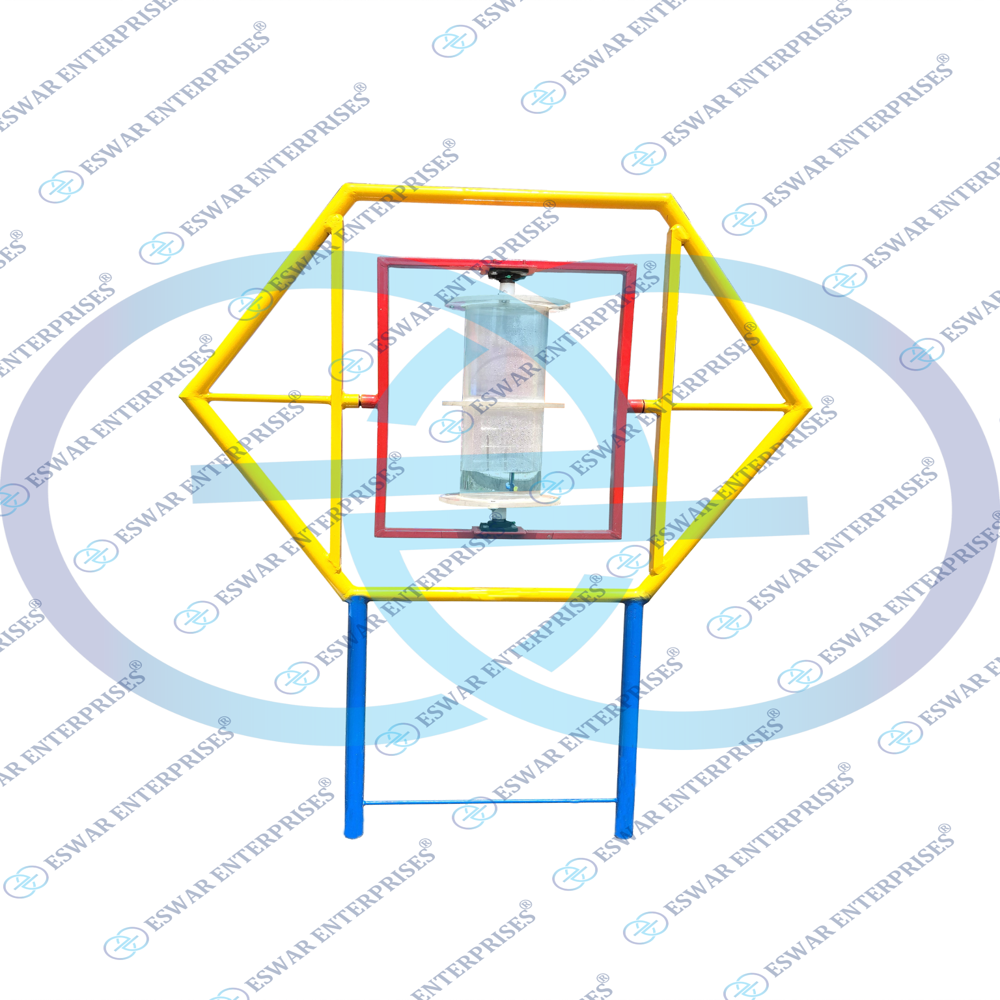
A region in a fluid where the flow is spinning around the axis. The spinning motion creates a low pressure inside the vortex, which causes a suction force from the outside of the vortex to the inside.
This is why a vortex can lift or pull objects towards its core. The vacuum effect depends on how low the pressure can get inside the vortex relative to outside.
Comprehensive Comparative LearningThe Air Vs VACUUM Educational Comparison Board visually presents scientific differences between air and vacuum across crucial topics like density, properties, and applications. Knowledge is imparted through vibrant graphics and concise explanations, fostering curiosity and comprehension among students. Suitable for learners above 10, this display aids educators in conveying challenging concepts with clarity and depth.
Sturdy and Safe DesignEngineered with GI material and an aluminium or durable plastic frame, the board has smooth, safe edges for daily classroom use. Weather resistance ensures suitability for indoor educational settings, while its weight and solid construction provide stability. Wipe-clean laminated surface allows for easy maintenance, ensuring the display remains vivid and readable.
User-Friendly Setup and VersatilityInstallation is straightforward: mount on a wall using screws or position on an easel stand for desktop learning. Supplied with an instruction sheet and optional mounting hardware, it seamlessly adapts to varied educational environments. Its moderate size and manual operate method make it an accessible resource for both group teaching and individual study.
FAQ's of Air Vs VACUUM:
Q: How is the Air Vs VACUUM Educational Comparison Board installed in a classroom?
A: The board can be mounted on a classroom wall using screws (provided as optional accessories) or displayed on an easel stand for desktop use. Installation guidelines and a user instruction sheet are included to ensure a simple and secure setup.
Q: What topics are compared between air and vacuum on this educational display?
A: The display features a tabular infographic comparing density, properties, applications, sound transmission, and the significance of each for human survival. Explanatory text and vivid visuals make these topics easy for students to grasp.
Q: When is this comparison board most beneficial for students?
A: The board is most beneficial during science lessons, experiments, or demonstrations related to air, vacuum, or general properties of matter. It is designed for learners above 10 and is especially useful in science labs, classrooms, and learning centres.
Q: Where should the Air Vs VACUUM board be used for optimal effectiveness?
A: For best results, install or display the board indoors in schools, science labs, or educational centres. Its design and construction ensure safety and clarity when used in dedicated learning spaces.
Q: What is the process for maintaining the board to keep it clean and readable?
A: Maintenance is easy-simply wipe the laminated surface with a dry cloth. This keeps the graphics sharp and legible for daily classroom use without risking damage to the display.
Q: How does this display aid visual learning for students?
A: By offering a side-by-side comparison of air and vacuum with vivid graphics and concise text, the board supports visual learning, making complex scientific differences accessible and engaging for students.
Q: What are the benefits of using this educational panel in science education?
A: Using this display helps students clearly understand fundamental differences between air and vacuum. It encourages hands-on, interactive learning, reinforces key concepts, and supports educators with an engaging teaching tool.




 Send Inquiry

 Send Inquiry

 Send Inquiry


